
“The more complex the mind, the greater the need for the simplicity of play.” Captain Kirk, Star Trek TOS, “Shore Leave”.
When was the last time you played? How do you play? What images does the word ‘play’ bring up for you?
I am a big believer in the importance of play, for all ages. Sadly, play is often seen as one of those things that we have to abandon when we become adults. A big part of play, for me, is imagination – something we all have to some degree, and which might be seen as defining our species.
As adults we don’t tend to allow our imaginations free rein for fun very often in our day to day lives. How often have you been criticised (or criticised yourself) for “being unrealistic”, “having your head in the clouds” or other shaming descriptions? Worse, we might be accused of ‘childishness’ for indulging in imagination and play, attacking our adult identity.
Sadly, I think indulging our imaginations purely for enjoyment isn’t encouraged once we reach adulthood. Instead, we are only encouraged use it to develop money-making or otherwise practical plans. We have become very outcome-focused which is certainly useful to get things done, but can also be very stifling.
What did you like to play as a child? How would you like to play now? What might you do if you let go of the idea that you have to be ‘sensible’ or have a purpose/outcome in your play? If, for example, you grabbed that manky blob of Blu-Tack from your desk drawer (I know you have one!) and made an interesting shape out of it without a plan for what the final thing would look like? Is spontaneity something you feel comfortable with, or is it anxiety-inducing? How would it feel to create something new that has no practical purpose or use, just because it was fun to have the experience of doing it? Or to imagine something fun and exciting without immediately telling yourself it’s not realistic? Who might you share the experience with? How might that influence your day?
Play can help us feel more relaxed, improve our resilience and adaptability, strengthen relationships, and improve our work performance. Sorry, Captain Kirk, it’s anything but simple!
But you don’t need a justification to play, just like a child doesn’t and my cat doesn’t. We play because we are animals – because it’s natural for us to.
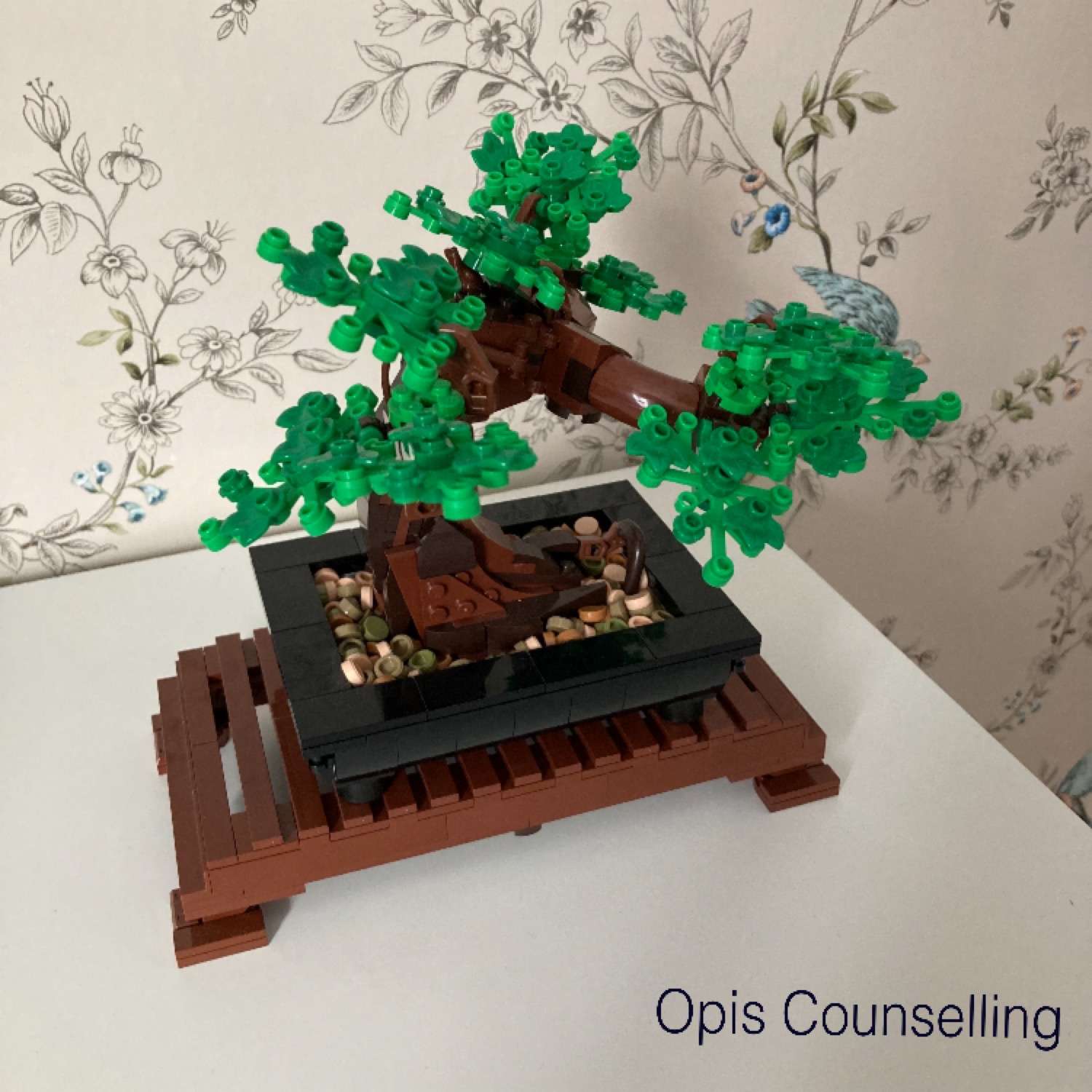
This post was inspired by a recent blog post by my colleague Louise at Curiosity Spot.