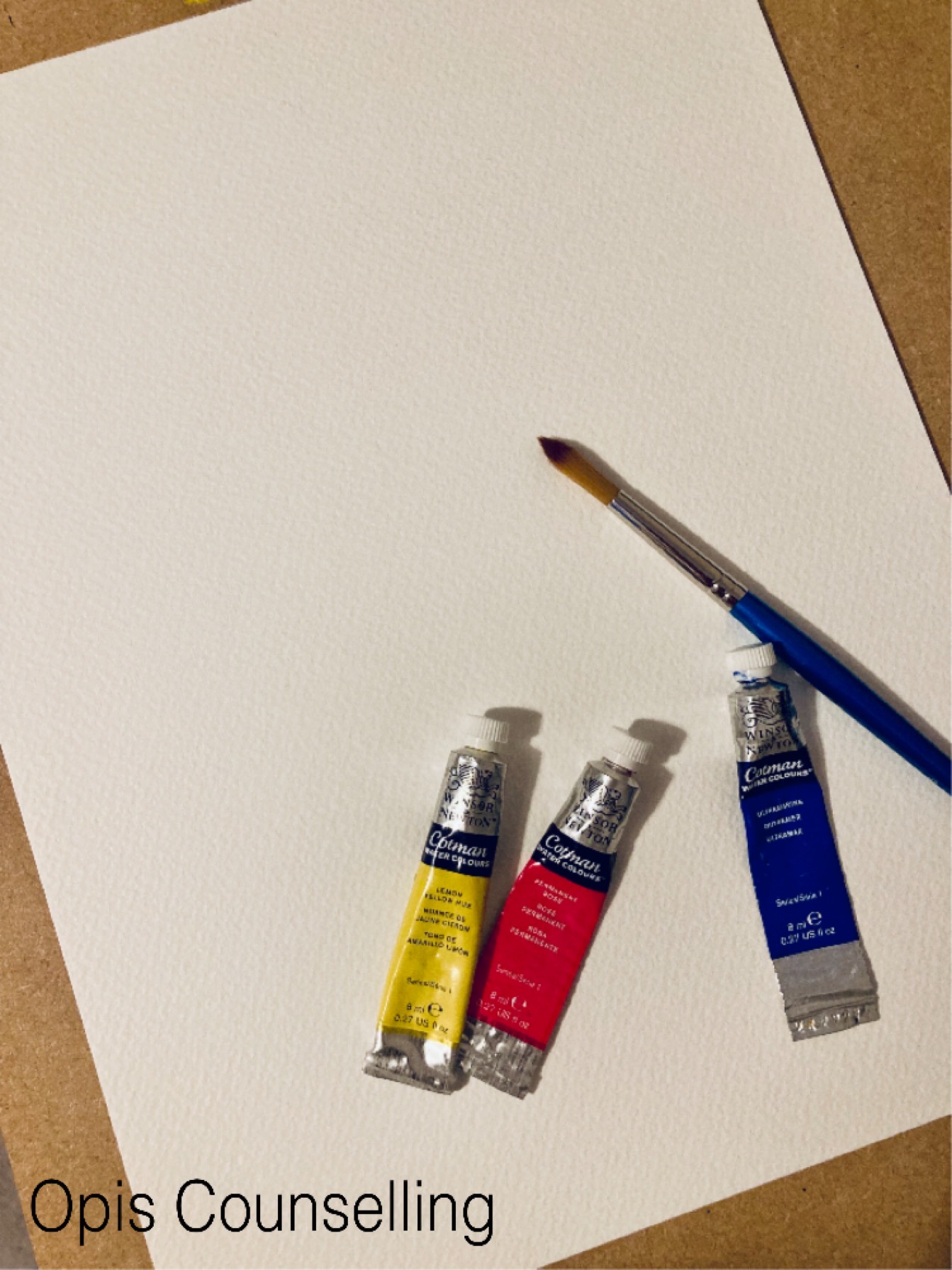
At this time of year many of us are thinking of taking up a new hobby or learning a new skill. However, a lot of us quickly think we are ‘no good’ at what we have chosen, and criticise ourselves for not being ‘good enough’. We look at what other people achieve, and express our admiration for their ‘talent’. What do they have that we don’t?
To answer that question, we need to be able to check if we are comparing like with like. The hard fact is, learning to be good at something means an awful lot of time being bad at it. Failure after failure helps us learn – we learn to fail better. However, we don’t tend to see other people’s failures as they rarely display them. This is especially true on social media!
The metaphor I like to use is that we see other people’s feature films, when they’ve been edited and polished and gone through post-production. When we look at our own stuff, we see everything – including the bloopers/outtakes and everything we want to leave on the cutting room floor. We hide all that, in shame – and fall into ‘compare and despair’. This is rarely talked about, and so we can end up feeling both inferior to those we see around us and surprised when those same people congratulate us on our finished feature film!
We also need to consider how realistic we are being. To go back to movies, how often have we seen our hero pick up a musical instrument or try out a new skill and be instantly good at it, to the surprise and admiration of those around them? It’s a really common trope, and it does make great viewing. We enjoy stories of those who are ‘naturally talented’, and some exceptional people are like that. There is such a thing as being genetically predisposed to being good at a certain skill. However, for most people this is fantasy, because environmental factors and work are vital. Mastering a new skill can take many many hours, weeks, months or years of work – but that wouldn’t make a good film or TV. We don’t want to see the hero stumbling over scales for hours, we want to move on to the final triumphant concert that proves all the naysayers wrong!
An excellent example of this is the 2009 Star Trek film (spoilers ahead!). When we first meet Kirk, he is a trouble-making ne’er-do-well, who shortly ends up in a drunken bar fight. By the end of the film he has joined the elite Starfleet Academy (not even Wesley Crusher got in first time), then been promoted directly from cadet to captain and given command of a starship! For the purposes of moving on the story for later films he had to get there, and maybe half a dozen movies about the adventures of Midshipman Kirk wouldn’t have been particularly entertaining, but come on! The trouble is, we surrounded by these stories and images so we tell ourselves that a hidden or natural talent is the norm, and that we are somehow failing by not finding our innate talent and that other people will always be better at certain things because they are ‘talented’.
I think that’s largely a myth.
I’m a hobby artist. I do it because I enjoy it. Human beings are incredibly and innately creative, and as a social animal we desire to share our creations with others. People have said to me, “oh, you’re so talented, I couldn’t do that”. Well guess what? I’m not talented at all. I was terrible at art at school and could hardly wait to drop it. I have been going to classes for years to learn to do what I do, and the vast majority of the art I have produced is actually pretty bad. I only display my best stuff! I have spent a lot of time failing, then failing better. It’s not talent – it’s grind. Every creative person I know has been through this process, over and over again.
So to return to the question I posed in the first paragraph, what do those other, ‘talented’ people have that you don’t? Failure. Lots and lots of failure, and failing better. You’re not lesser-than because you are struggling to learn a new skill and doing badly at it – you’re human. That may sound like a bad thing, because it does mean you are going to have to work hard to learn a new skill and confront your fear of failure. On the other hand, it also means that the people you admire almost certainly don’t have any innate specialness that you lack – so you have the potential to do what they do too.
I can’t promise you will be a world champion. I can’t promise you’ll ever be brilliant at everything. I can’t promise you won’t have challenges you can’t surmount due to environmental or medical factors. What I can promise is that you have potential to do something, and to enjoy it, if you allow yourself to instead of comparing and despairing.
What will you do?